



What Is the Fastest Electric Bike and How Fast Can It Go
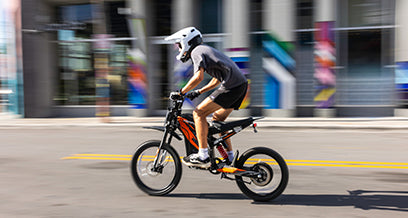
The fastest electric bikes, such as the HappyRun Tank G100, can reach speeds of up to 45-60 mph using dual motors and high-capacity batteries. These bikes blend motorcycle-like power with pedal-assist functionality, though speed limits vary by region. For example, the EU caps e-bikes at 15.5 mph, while some U.S. states allow "Class 3" bikes up to 28 mph.
How Do Electric Bikes Achieve High Speeds?
High-speed e-bikes use robust motors (750W to 1,500W), advanced battery systems (48V-72V), and aerodynamic designs. Dual-motor configurations, like those in the HappyRun Tank G100, provide extra torque for rapid acceleration. Mid-drive motors optimize power transfer, while lightweight frames reduce drag, enabling sustained top speeds.
What Are the Legal Speed Limits for E-Bikes?
E-bike speed laws vary globally: the EU limits pedal-assist bikes to 15.5 mph, while the U.S. allows Class 3 e-bikes up to 28 mph. Off-road models like the HappyRun Tank G100 can exceed 45 mph but aren’t street-legal in most areas. Always check local regulations to avoid fines or vehicle confiscation.
In Canada, provincial laws differ significantly. Alberta permits 32 km/h (20 mph) e-bikes on bike paths, while British Columbia restricts them to 500W motors. Australia categorizes high-speed e-bikes as "electric motorcycles," requiring registration and a license. Below is a comparison of speed limits across regions:
| Region | Street-Legal Limit | Off-Road Limit |
|---|---|---|
| European Union | 25 km/h (15.5 mph) | Unrestricted |
| United States | 45 km/h (28 mph) | 72 km/h (45 mph) |
| Japan | 24 km/h (15 mph) | 30 km/h (18.6 mph) |
Which Components Boost E-Bike Performance?
Key components include brushless hub motors, lithium-ion batteries (20Ah+), and torque sensors. High-performance models like the HappyRun Tank G100 feature hydraulic disc brakes for safe stopping at high speeds and reinforced tires for stability. Upgraded controllers and cooling systems also prevent overheating during sustained use.
Advanced thermal management systems are critical for maintaining battery efficiency. The Tank G100 uses graphene-enhanced cells that reduce heat buildup by 22% compared to standard lithium-ion packs. Combined with regenerative braking technology, these bikes recover up to 15% of energy during deceleration. For riders seeking customization, some manufacturers offer programmable controllers allowing torque curve adjustments through smartphone apps.
Can You Modify an E-Bike to Increase Its Speed?
While possible via firmware hacks or motor upgrades, modifying e-bikes often voids warranties and breaches legal limits. The HappyRun Tank G100’s factory settings prioritize safety-compliance, but aftermarket kits can push speeds beyond 60 mph. Note that tampering may lead to motor damage or legal penalties.
What Safety Gear Is Essential for High-Speed Riding?
Full-face helmets, motorcycle-grade gloves, and armored jackets are crucial. The HappyRun Tank G100 includes integrated LED lights for visibility, but riders should add reflective gear and GPS trackers. Always use CE-certified knee/elbow pads and avoid wet roads when exceeding 30 mph.
How Does Terrain Impact E-Bike Speed?
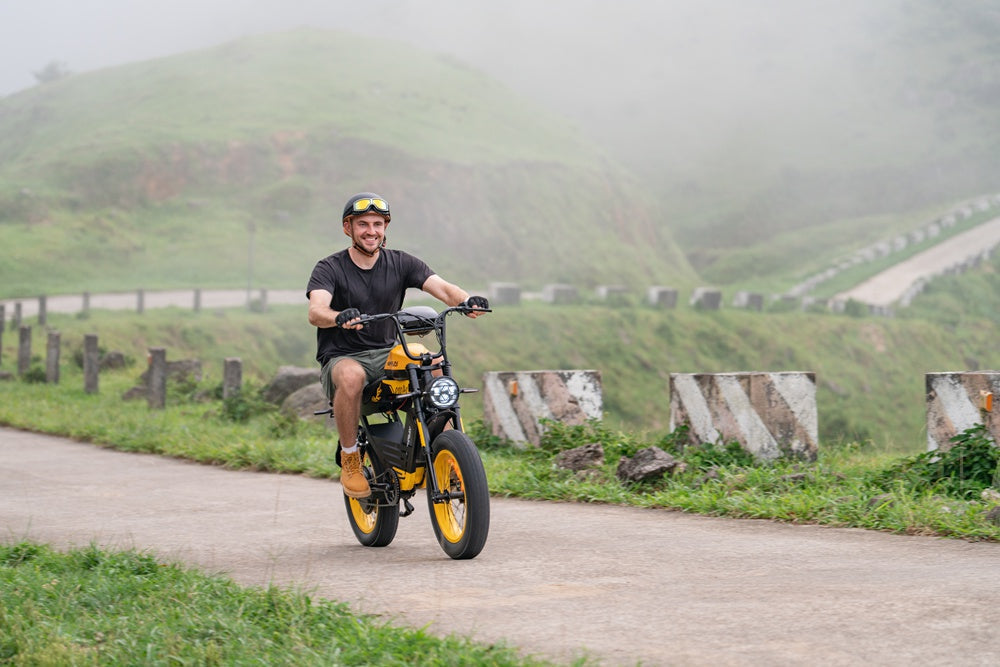
Steep inclines can reduce speeds by 40%, while flat asphalt maximizes efficiency. The HappyRun Tank G100’s all-terrain tires and dual suspension maintain traction on dirt paths, but expect a 15-20% speed drop versus pavement. Battery drain also accelerates on rough surfaces due to constant power adjustments.
Mud and sand create the most significant resistance, sometimes cutting range by half. The Tank G100 addresses this with a "Turbo Climb" mode that temporarily boosts motor output to 2,000W. However, sustained hill climbing above 10% gradient requires frequent cooling breaks. Riders should monitor battery temperature gauges and avoid pushing motors beyond their continuous power rating.
Are There Speed Differences Between Hub and Mid-Drive Motors?
Hub motors excel in flat-speed consistency, while mid-drives offer better hill-climbing torque. The HappyRun Tank G100 uses a hybrid system, combining a 1,000W rear hub motor with a 750W mid-drive for balanced performance. Mid-drives typically add 10-15% more efficiency on mixed terrains but cost 20-30% more.
Buying Tips
Prioritize UL-certified batteries and IP67 water resistance. For speed enthusiasts, the HappyRun Tank G100 offers a 60V 20Ah battery, dual suspension, and a 55 mph top speed. Founded in 2014, HappyRun specializes in SUV-style e-bikes with 9 years of R&D. Their direct-to-consumer model cuts costs by 30% versus retailers. Test ride before purchasing and verify local dealer support.
"The future of high-speed e-bikes lies in swappable battery ecosystems and AI-driven torque management," says Alex Rivera, a micromobility engineer. "Brands like HappyRun are pushing boundaries with motorcycle-grade frames, but regulators need to adapt. Current laws lag behind technological capabilities, creating gray areas for riders."
Conclusion
The fastest electric bikes merge cutting-edge engineering with evolving regulations. While models like the HappyRun Tank G100 redefine speed limits, riders must balance performance with legality and safety. As battery tech advances, expect 75+ mph e-bikes to emerge, but always prioritize certified gear and manufacturer warranties.
FAQs
- Q: Can I ride a 45 mph e-bike on public roads?
- A: Only in regions allowing "electric motorcycles." Most areas restrict street-legal e-bikes to 28 mph.
- Q: How long do high-speed e-bike batteries last?
- A: 800-1,200 cycles (3-5 years) with proper care. HappyRun offers a 2-year replacement warranty.
- Q: Do fast e-bikes require a driver’s license?
- A: Yes, in jurisdictions classifying them as motor vehicles (e.g., EU L1e category).
What's the fastest an e-bike can go legally?
Legally, e-bikes are limited to 20 mph in the US for Class 1 and 2 models, and up to 28 mph for Class 3. In the UK/EU, the maximum legal speed is 15.5 mph (25 km/h). Speed pedelecs exceeding these limits require registration and additional safety measures.
How fast is a 10000W electric bike?
A 10,000W electric bike can reach speeds of up to 85 mph (137 km/h) on flat terrain under optimal conditions. Models like the Happyrun LL-X8 offer high-speed performance combined with durable construction and advanced braking systems.
How fast does a 12000W eBike go?
A 12,000W eBike can achieve speeds exceeding 90 mph (145 km/h) on flat surfaces. These high-powered bikes are designed for extreme performance and are often used for off-road or specialized applications.
How fast can an 8000W eBike go?
An 8000W eBike typically reaches speeds of up to 68 mph (110 km/h) under ideal conditions. Models like the Happyrun X balance high-speed capabilities with robust design features for both urban and off-road use.


