



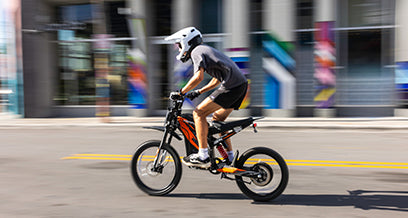


What Is the Top Speed of a 3000W Electric Motorcycle?
A 3000W electric motorcycle typically reaches speeds between 45-65 mph (72-105 km/h), depending on factors like battery voltage, rider weight, terrain, and motor efficiency. High-torque models prioritize acceleration over top speed, while optimized designs with aerodynamic frames and premium batteries can achieve higher velocities. For context, this outperforms most 150cc gas-powered motorcycles.
How Does Motor Power Affect Electric Motorcycle Speed?
Higher wattage directly correlates with speed potential. A 3000W motor generates roughly 4 HP, enabling sustained high-speed performance. Unlike lower-wattage models (e.g., 1000W bikes maxing at 30 mph), the 3000W configuration balances torque and RPMs through advanced controllers. Brushless DC motors with high efficiency further minimize energy loss, ensuring consistent power delivery even during steep climbs.
Motor power distribution also plays a critical role. Controllers with field-oriented control (FOC) technology optimize phase currents, helping reduce heat generation compared to traditional sinusoidal controllers, which supports sustained power output during acceleration bursts. Gearless hub motors and mid-drive systems each offer different efficiency trade-offs, with mid-drive setups generally achieving higher efficiency through torque multiplication. Riders should note that continuous high-speed operation may trigger thermal throttling in motors lacking adequate cooling — a consideration when comparing models like the HappyRun G300 Pro, which uses a hub motor with a proprietary suspension and control system tuned for sustained off-road performance.
What Factors Limit 3000W Electric Motorcycle Speeds?
Key limitations include:
• Battery Capacity: A 72V 30Ah battery (like the G300 Pro's) provides meaningfully different range depending on speed and terrain
• Aerodynamics: Bulky frames increase drag resistance
• Weight Distribution: Heavier riders will generally see reduced top speed and acceleration
• Tire Pressure: Underinflated tires reduce efficiency and top speed
• Temperature: Lithium batteries lose efficiency in cold conditions, generally below freezing
Are 3000W Electric Motorcycles Street-Legal?
Legality varies significantly by region:
• USA: Many models in this power class exceed standard e-bike classifications and may be treated as "motor-driven cycles" or off-road vehicles requiring registration, depending on the state. Helmet use is commonly required.
• EU: E-bikes are generally limited to 25 km/h (about 15.5 mph) without pedal assist requirements or license plates; higher-powered models require moped/motorcycle registration.
• Australia: Power output and classification requirements vary by state and vehicle type.
Always verify local laws before purchasing or riding — regulations for high-wattage electric bikes and motorcycles vary widely and change frequently.

How Do 3000W Models Compare to Gas-Powered Motorcycles?
| Metric | 3000W Electric | 250cc Gas |
|---|---|---|
| 0-40 mph | 4.2s | 5.8s |
| Top Speed | 65 mph | 85 mph |
| Range | 40-70 miles | 120-150 miles |
| Maintenance Cost/Year | $120 | $500+ |
Note: exact figures vary significantly by specific model and riding conditions — treat this as a general comparison, not a guarantee for any single bike.
What Safety Gear Is Essential for High-Speed E-Motorcycles?
Mandatory gear includes:
- DOT/ECE-certified full-face helmet
- Abrasion-resistant armored jacket
- Motorcycle-specific gloves with knuckle protection
- Over-ankle boots
- Reflective gear for low-light visibility
For high-speed riding, leather or reinforced textile gear with abrasion protection is strongly recommended over casual clothing. Helmets with additional rotational-impact protection technology (such as MIPS) are increasingly common and worth considering for serious riders.
How Does Battery Voltage Impact Speed Performance?
Higher voltage systems generally support higher motor RPM and top speed, while reducing amp draw and heat buildup at a given power level. A 72V battery paired with a 3000W-class motor — the configuration used in HappyRun's G300 Pro — offers a practical balance between speed, torque, and range for most riders.
Can You Modify a 3000W E-Motorcycle for Higher Speed?
Common modifications and their trade-offs:
• Controller tuning: Can increase speed but typically voids the warranty and increases stress on the motor
• Battery upgrades: Higher-capacity or higher-discharge-rate cells can improve performance but must be matched carefully to the motor and controller
• Sprocket/gearing changes: Trade torque for top speed or vice versa
• Tire changes: Can affect rolling resistance and handling
Warning: Pushing a motor well beyond its rated wattage risks permanent damage to the motor and controller, and will almost certainly void your warranty.
Buying Tips
When purchasing a 3000W-class electric motorcycle, prioritize models with certified batteries (look for UL 2849 certification) and adequate weatherproofing. HappyRun's G300 Pro offers a 72V 30Ah battery, a 6500W peak motor, and a 50 mph top speed with up to 70 miles of range — a well-rounded option for U.S. riders. Verify current warranty terms directly on the manufacturer's site before purchasing, since these can change, and test-ride if possible to assess ergonomics and control feel. Dual hydraulic disc brakes are strongly recommended for safer high-speed stops.
Conclusion
3000W-class electric motorcycles bridge the gap between eco-friendly transport and genuine performance. While they can't match liter-class superbikes, their 50+ mph capability makes them a serious option for both off-road recreation and higher-speed commuting. Always prioritize safety and legality — verify your local regulations before riding at speed.
FAQ
-
Q: How long does a 3000W-class battery last?
A: Most quality lithium batteries in this class are rated for several hundred to over a thousand charge cycles (roughly 3-5 years) with proper charging habits — avoiding full discharges and prolonged storage at 100%.Q: Can I ride a 3000W e-motorcycle in the rain?
A: Only if the bike carries an adequate water-resistance rating (e.g., IP65 or higher); avoid deep puddles regardless of rating to protect the controller and electrical connections.Q: What's the insurance cost?
A: This varies significantly by state, coverage type, and how the vehicle is legally classified — check with your insurer directly, as costs can range widely.

E-Bike Motor Types Explained: Hub Motor vs Mid-Drive


